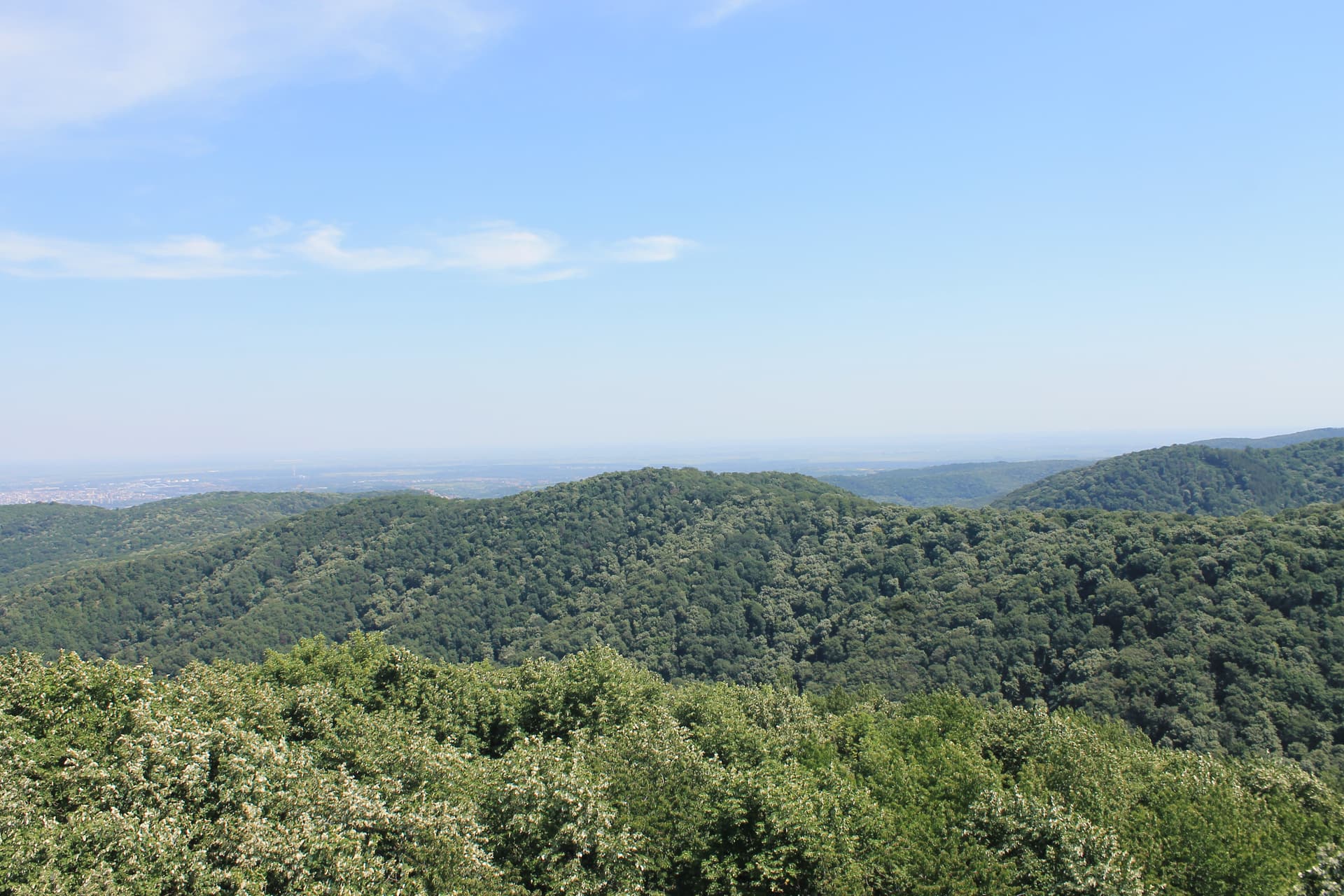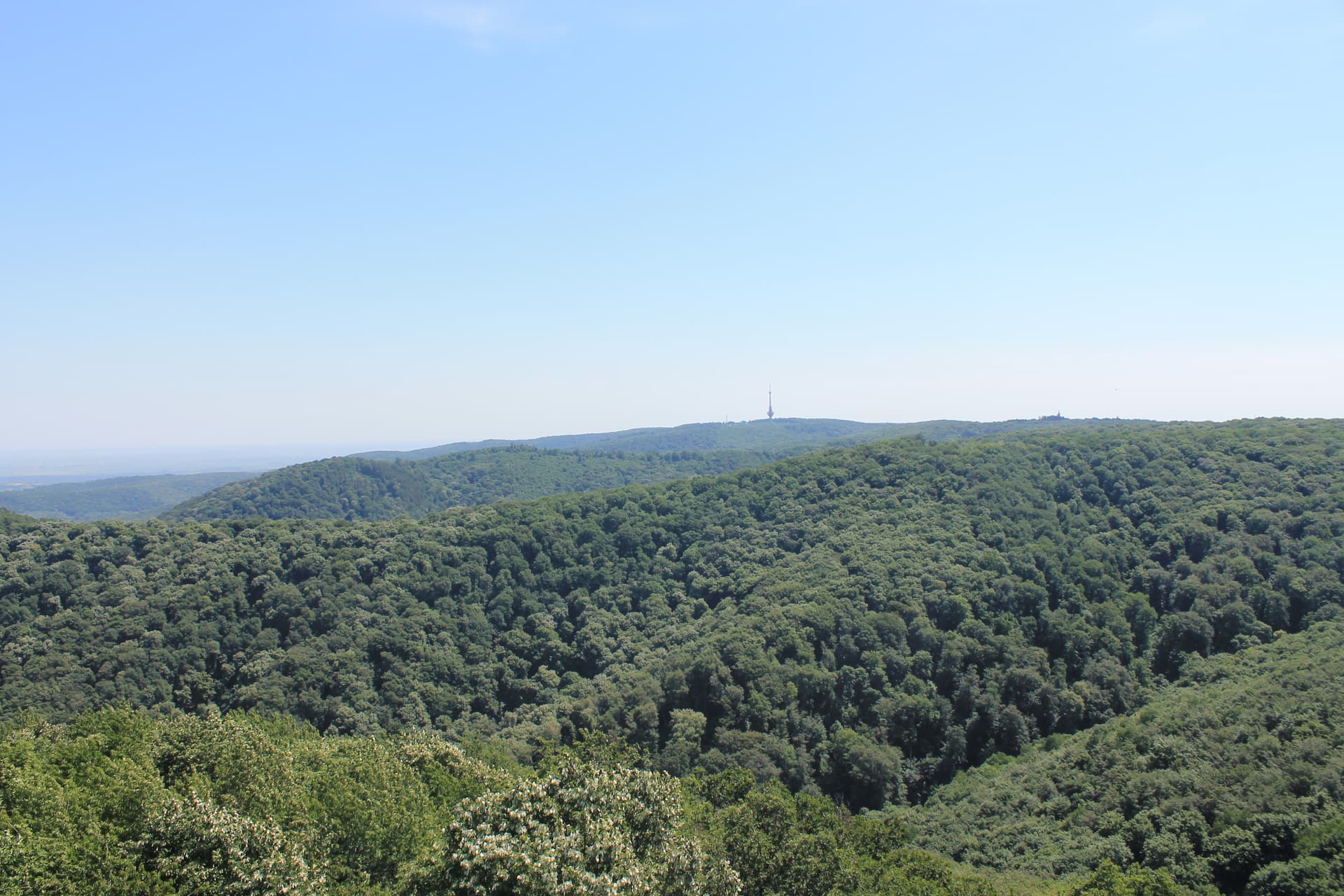
Fruška Gora is not dramatic in the Alpine sense. Its highest point is only 539 metres, and from a distance it looks like a single dark wave on the Pannonian plain. Its richness is in the detail: a fresco in half-light, lime trees humming with bees, a glass of something amber on a cellar bench, the Danube turning gold below a fortress wall.
A short history
Millions of years ago the ridge was an island in the Pannonian Sea; fossils of shells and corals still turn up in its quarries. The Romans, who called it Alma Mons — the fertile mountain — ran the frontier of their empire along the Danube at its foot. The emperor Probus, a native of nearby Sirmium, had vines planted here in the third century.
The mountain’s defining chapter began in the 15th century. As the Ottomans overran medieval Serbia, nobles and monks moved north across the Sava into Hungarian-ruled Srem. The exiled Branković despots and their successors endowed monastery after monastery in the sheltered valleys — some thirty-five in all — and filled them with relics, books and painters. After the Great Migration of 1690, when Patriarch Arsenije III led tens of thousands of Serbs into Habsburg lands, Sremski Karlovci became the seat of the Orthodox Church and the Treaty of Karlowitz (1699) redrew the map of Europe from a hill above the town.
Under the Habsburgs came the great fortress at Petrovaradin, the free city of Novi Sad and a baroque golden age. The 20th century was harder: during the Second World War the forests were a Partisan stronghold and many monasteries were looted or blown up. Fruška Gora was declared a national park in 1960, and since the 1990s monastic life and the wine trade have both revived strongly.
What not to miss
 Towns & fortresses
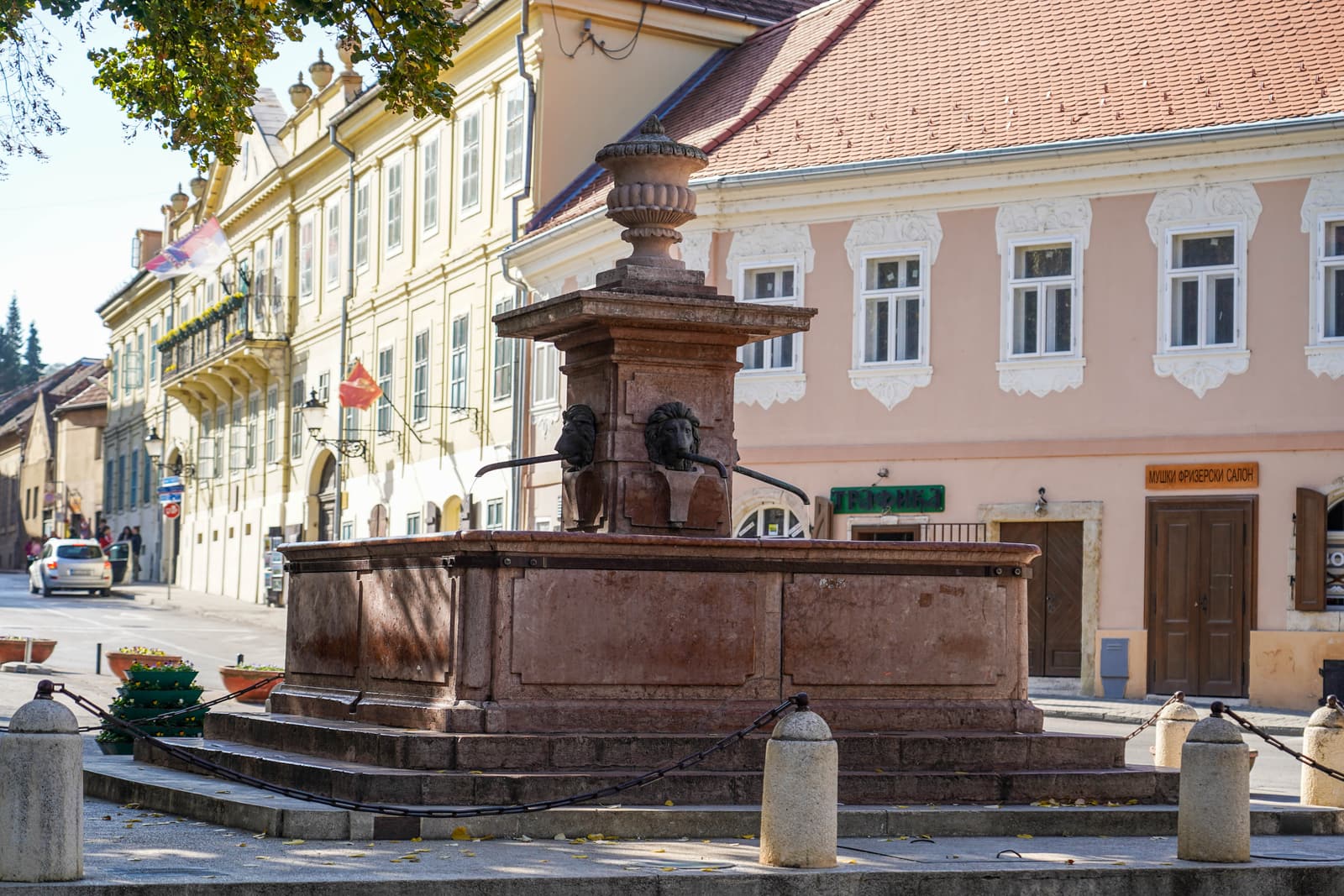
 Sremski Karlovci
The baroque wine town where a peace treaty was signed
A small baroque town on the Danube at the foot of Fruška Gora, for two centuries the spiritual and cultural capital of the Serbs in the Habsburg lands. Come for the Patriarchate Court, the Four Lions fountain, the Chapel of Peace — and the cellars pouring bermet.
 Monasteries
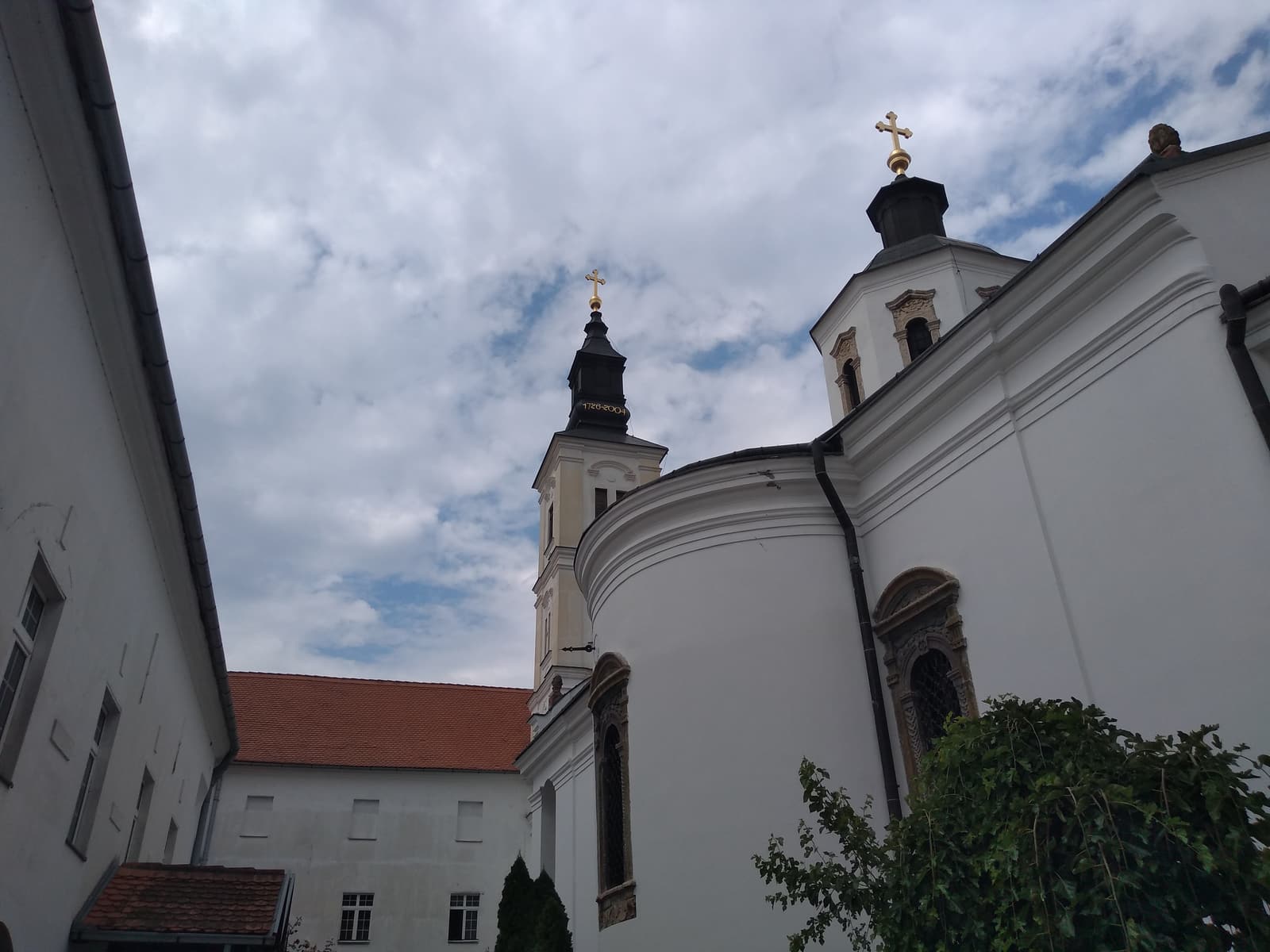
 Krušedol Monastery
The royal mausoleum of Fruška Gora
Founded between 1509 and 1516 by the last Serbian despots of the Branković family, Krušedol is the most important of the Fruška Gora monasteries: a church with layered frescoes behind red outer walls, and the burial place of patriarchs, a princess and a king.
 Monasteries
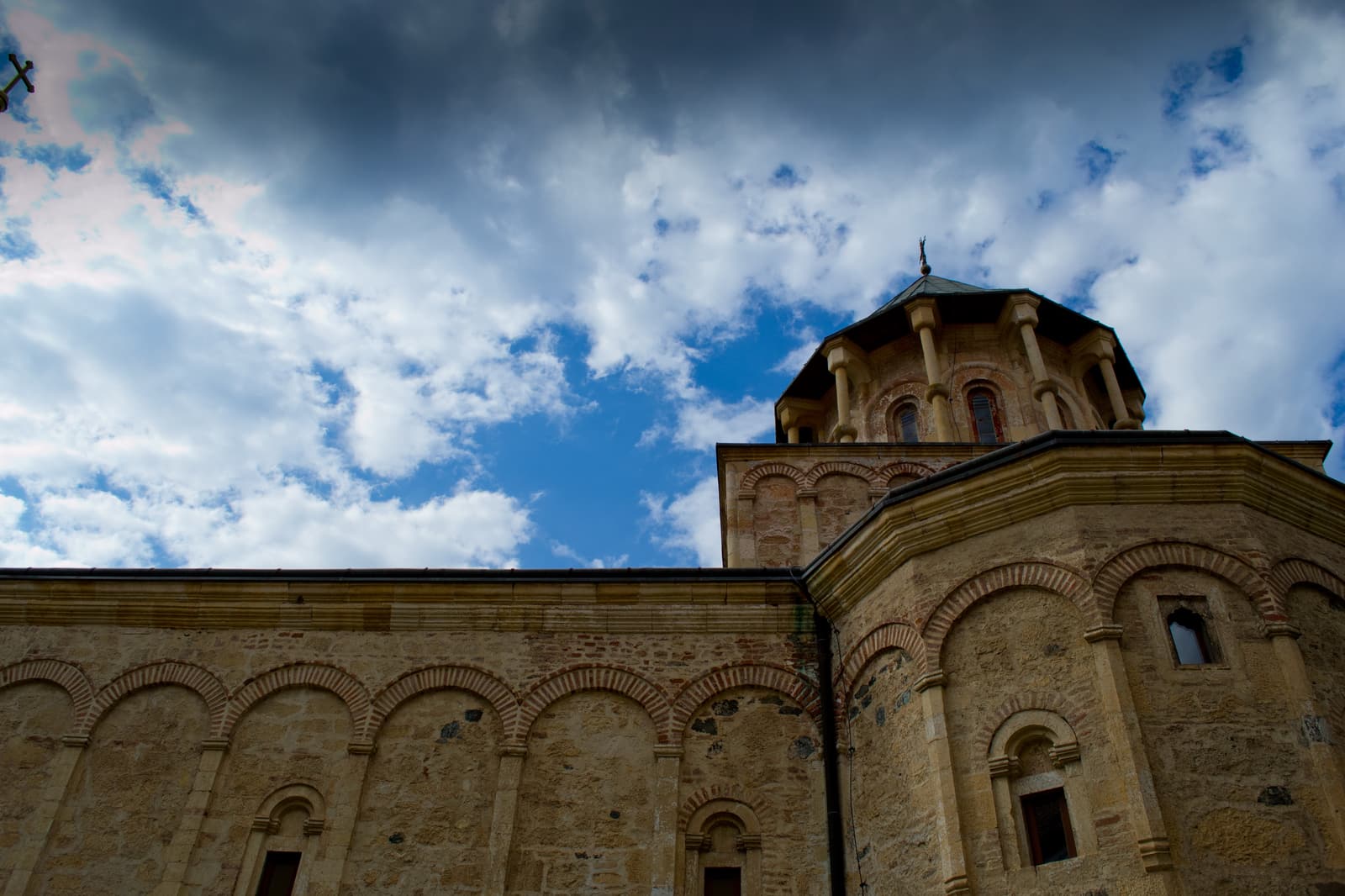
 Novo Hopovo Monastery
The finest church architecture on the mountain
Tucked into a wooded valley just off the Novi Sad–Irig road, Novo Hopovo has the grandest church of the Fruška Gora monasteries, built in 1576, with a twelve-sided dome ringed by slender columns and frescoes by painters in the Mount Athos tradition.
 Towns & fortresses
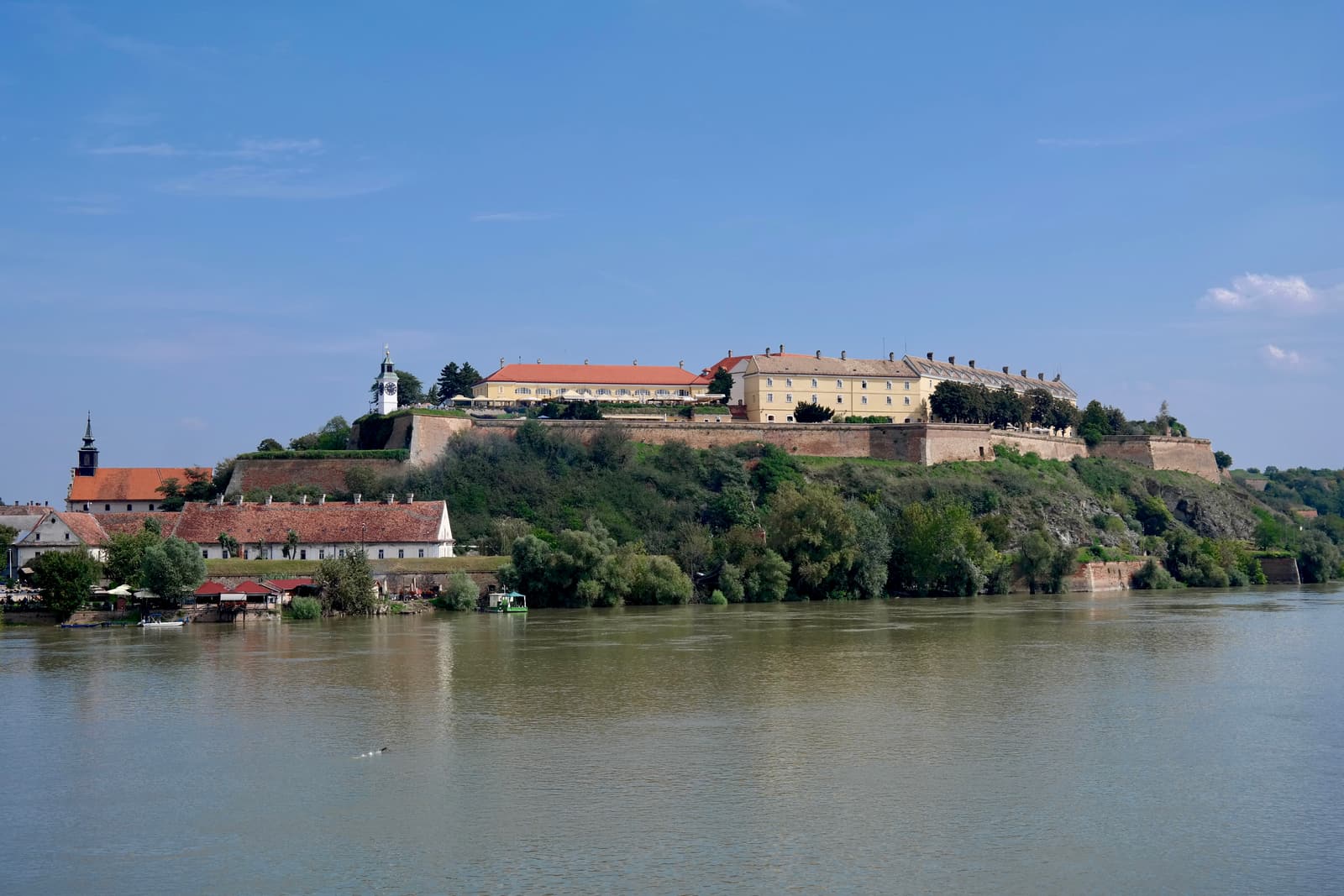
 Petrovaradin Fortress
The “Gibraltar on the Danube”
A vast Habsburg fortress on a rock where Fruška Gora meets the Danube, facing Novi Sad. Walk the ramparts to the clock tower with its reversed hands, go underground into the countermine tunnels and stay for sunset — or for the EXIT festival in July.
See all places for the full list, and our monastery guide for the sixteen monasteries.
Suggested itineraries
One day (from Belgrade or Novi Sad)
- Morning: Sremski Karlovci — main square, cathedral, Chapel of Peace, a bermet tasting.
- Midday: Krušedol Monastery, then lunch at a winery or a salaš (farmstead restaurant) near Irig.
- Afternoon: Novo Hopovo and the pass at Iriški Venac.
- Evening: sunset at Petrovaradin Fortress, dinner in Novi Sad.
This is, in essence, what the best guided day trips do.
Two days
Day one as above, sleeping in Vrdnik. On day two soak in the thermal pools, hike to the Vrdnik Tower, visit Vrdnik-Ravanica and Jazak, and end with a tasting at a winery near Mala Remeta or Irig.
Three days or more
Add a hiking day (Popovica – Ledinci Lake – ridge, or Stražilovo – Zmajevac), a slow drive through the western monasteries to Šišatovac and Erdevik, or a full day for Novi Sad’s museums and river beach.
Hiking and cycling
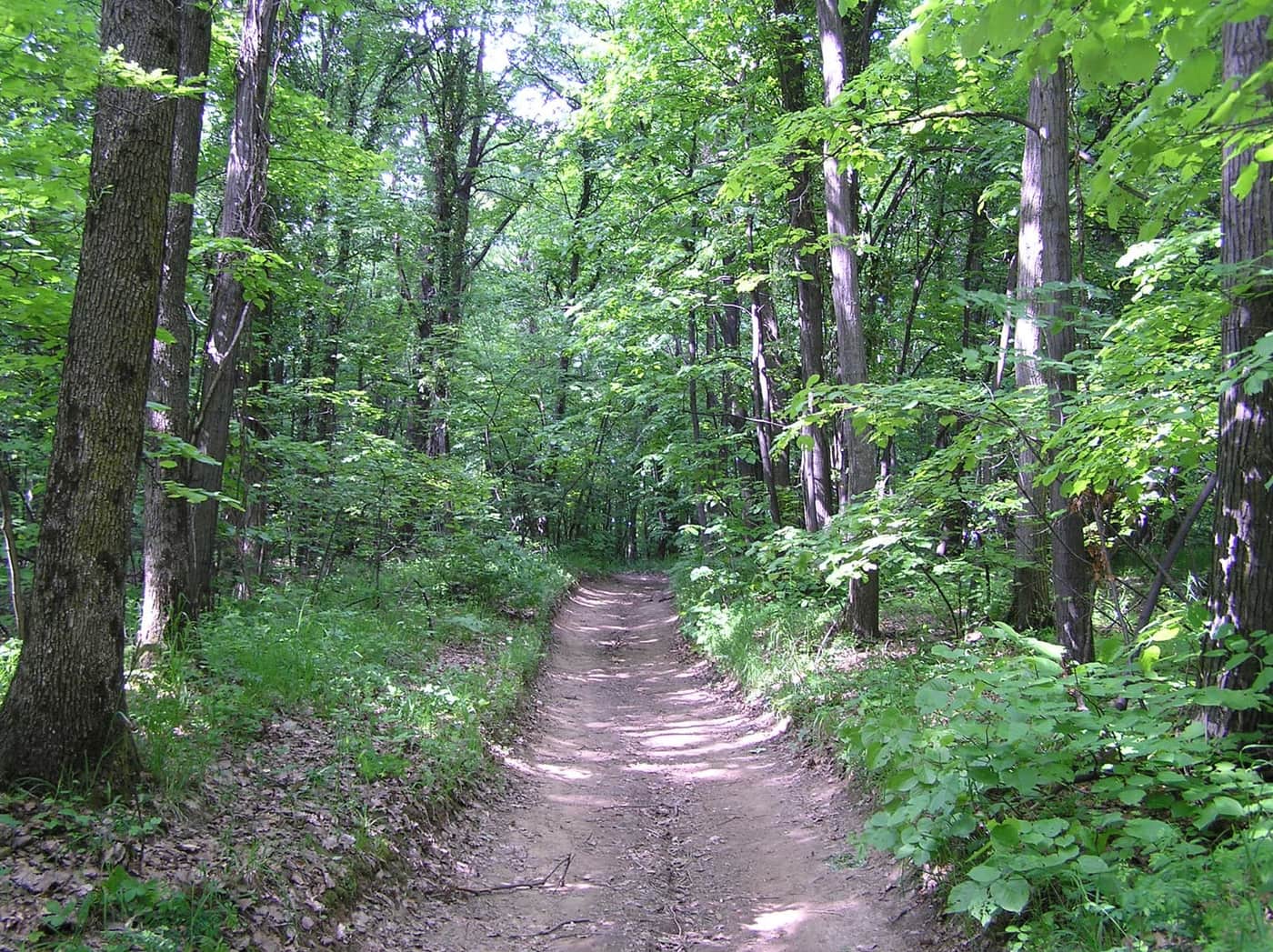
The national park is laced with marked trails — the red-and-white circle is the standard waymark. The Fruška Gora transversal follows the ridge end to end; shorter loops start from Popovica, Stražilovo, Iriški Venac, Zmajevac, Vrdnik and Andrevlje. Terrain is gentle but often muddy after rain. Carry water (springs are frequent but not always reliable), an offline map and tick repellent from April to July.
The Fruškogorski maraton, held each spring from Popovica since 1978, is one of the largest hiking events in the Balkans, with routes for every ability. Road cyclists love the ridge road; mountain bikers have their own informal network around Popovica and Bukovac.
Food and drink
- Bermet — the aromatic dessert wine of Sremski Karlovci; and dry whites from Graševina.
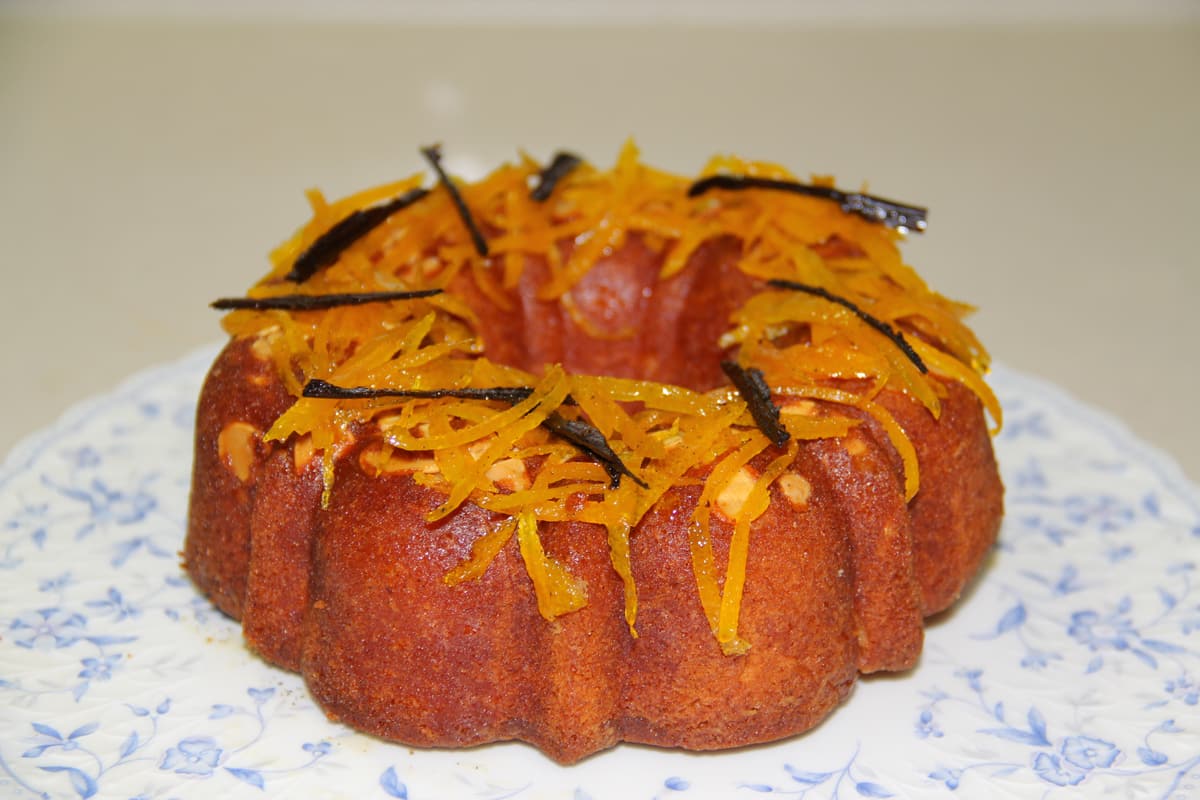
- Kuglof — the ring cake of Karlovci, a Central European inheritance.
- Lime-blossom honey (lipov med) — pale, fragrant and sold at monasteries and roadside stalls.
- Sremski kulen and sausages — paprika-rich cured pork from the villages of Srem.
- Fiš paprikaš — river-fish stew served with home-made noodles along the Danube.
- Štrudla with poppy seeds, walnuts or cherries, and plum or quince rakija to finish.
Monastery etiquette
The monasteries are living communities, not museums. Dress with covered shoulders and knees; men remove hats in church. Speak quietly, do not photograph inside without permission, and never photograph monks or nuns without asking. Entry is free; buying honey, wine or candles is the customary thank-you.
Practical information
Money
The currency is the Serbian dinar (RSD); one euro is worth roughly 117 dinars. Cards are accepted in hotels, larger restaurants and shops, but monasteries, small cellars, village cafés and market stalls want cash. ATMs are plentiful in Novi Sad, Sremski Karlovci, Irig and Vrdnik. Serbia is good value: a restaurant main course typically costs well under ten euros outside top-end places.
Language
Serbian is written in both Cyrillic and Latin script; road signs in the hills are sometimes Cyrillic only. English is widely spoken by younger people in Novi Sad and in tourism; in villages, German or a few words of Serbian go a long way. Dobar dan (good day), hvala (thank you) and živeli (cheers) will be used often.
Safety and health
Fruška Gora is a safe, low-key destination. The realistic hazards are ticks in spring and early summer, slippery trails after rain, unfenced edges at quarries and fortress walls, and traffic on narrow roads. Tap water is generally safe to drink in towns. The emergency number is 112; ambulance 194, police 192. Travel insurance is advisable — the European Health Insurance Card is not a substitute everywhere in Serbia.
Connectivity and power
Mobile coverage is good on the ridge and in towns, weaker in deep valleys. Because Serbia is outside the EU roaming zone, a local prepaid SIM or an eSIM is worthwhile. Sockets are the standard European two-pin type (C/F), 230 V.
What to pack
- Clothes that cover shoulders and knees for monastery visits.
- Walking shoes with grip; a light waterproof in spring and autumn.
- Insect repellent and long trousers for forest walks.
- Cash in dinars for cellars, honey stalls and monastery shops.
- Swimwear for the Vrdnik pools — and room in your bag for bottles.